

SHARE THIS
By Ganesharishan Iyer, MBBS, MS, MCh. Lead Consultant – CTVS Surgery

It is really an interesting question, and the answer is not what you might think. It’s not because people eat a lot in the middle of the night. It’s not because of sleep apnea. It’s not because we are uninsured. It’s not because our blood pressure is high, either.
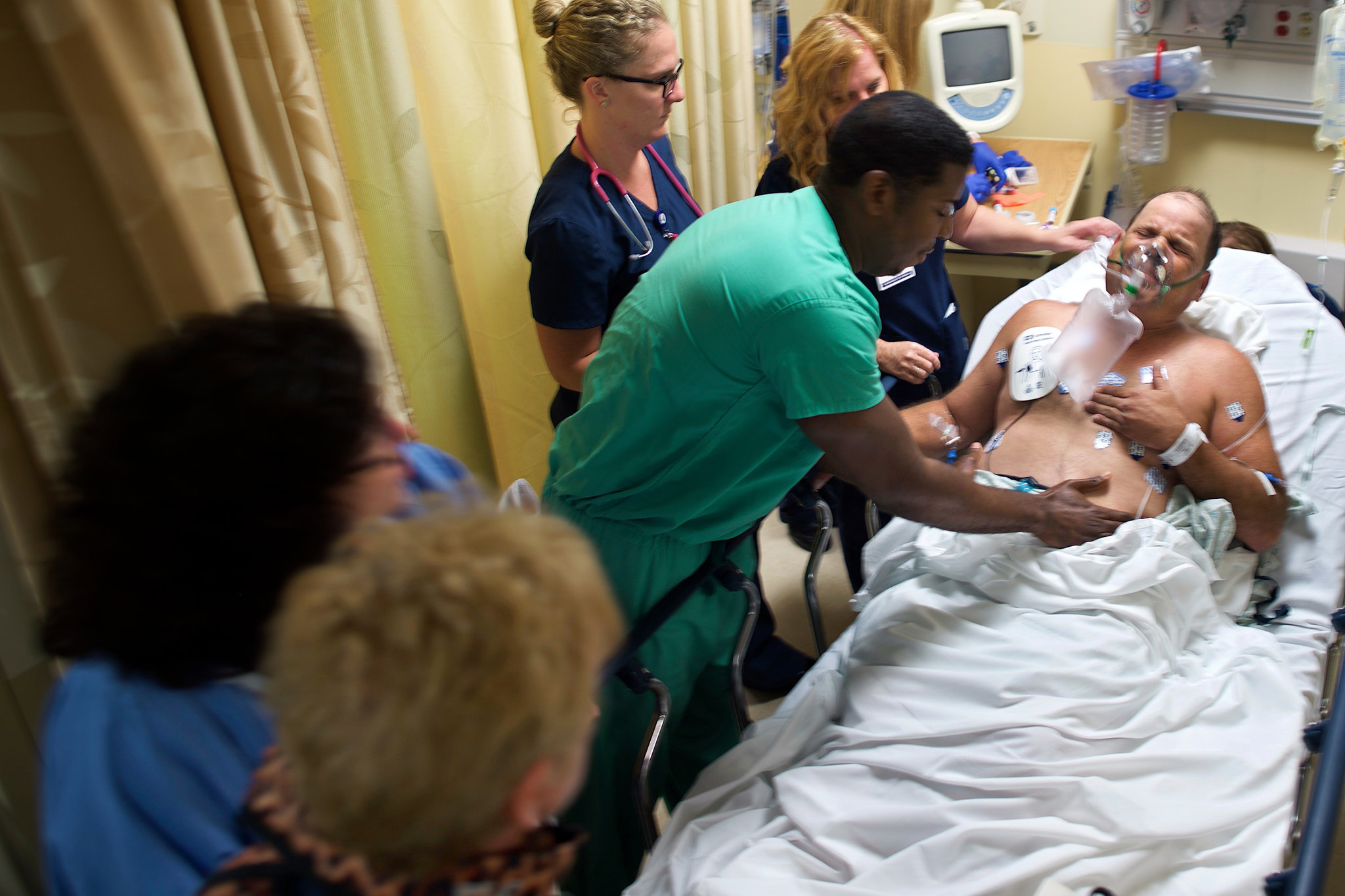
It’s not because we’re all overweight. And it’s not because we’re not getting sufficient exercise. Believe it or not, it is because we are more stressed out at night. That’s because our body releases a whole lot of stress hormone in the late evening. If you are stressed out, you’ll experience the worse symptoms at this time – sweating, tingling sensation in the hands, cold and sweaty hands or feet, dizziness, tachycardia, even chest pain.
We experience most of these symptoms after midnight than any other time of the day. The heart rate goes up, and your heart is not able to pump out blood as effectively. The reason is simple, while we are able to store just a small amount of fat in our body, we can stockpile a lot of emotions, like anger, stress and anxiety, which circulate throughout the body. So, if you are too stressed or angry, your body will release all these emotions at the same time.
…History of heart attack in family line: What to do to prevent case
In any family, inheritance is a matter of pride and emotional connection. However, when it comes to health, not all legacies are positive. In fact, some health conditions may be passed down from one generation to the next. It’s important to be aware of this so that you can take steps to protect your overall well-being.
When diagnosing an illness, one of the first things that doctors will do is study the family health history in order to get a better understanding of the condition and what may have caused it. The heart is not only the centre of emotions but also an indicator of the kind of health that has been passed down from your ancestors.
There are many reasons for heart disease, including chronic conditions like high blood pressure, diabetes, and high cholesterol levels, as well as intense stress levels. By understanding the family health history, doctors can gain a better understanding of the individual patient’s risks and possible treatments.
It’s important to be honest with your doctor about your family history, especially if heart disease runs in your family. You should be extra cautious if any immediate family member – like your parents or siblings – were diagnosed with the condition before they turned 60.
If you’re diagnosed with a heart condition before you turn 60, it’s considered premature heart disease.
What to look out for –
Know the factors that can increase the risk of heart disease:
Genes that are not inherited can play an important role in increasing the risk of heart disease. Unfortunately, it is not possible to detect a particular gene. Certain genetic factors can be passed on to the next generation, which may develop high cholesterol or high blood pressure at a very young age.
There are other contributing factors to weight gain, such as certain family habits like increased junk food intake, a sedentary lifestyle, and alcohol consumption.
What is premature heart disease?
Premature heart disease is defined as getting diagnosed with a heart ailment before the age of 55 for a man and 65 for a woman.
How genetics play a role in heart disease?
There have been numerous studies conducted all over the globe in order to better understand the role of genetics when it comes to heart disease. The findings of recent studies have shown that there are multiple genes that can increase an individual’s risk of developing heart disease. Doctors are currently working towards understanding a person’s genetic predisposition to cardiac ailments in order to provide better care and treatment options.
What can you do about it?
If you have a close relative or immediate family member who has been diagnosed with a heart condition, it’s natural to feel worried. However, medical advancements in recent years have made it possible to better understand your health and how to deal with risk factors. While it is not yet possible to alter genetics, making strict lifestyle changes is highly recommended.
Avoid smoking:
It’s time to say goodbye to smoking! If you continue to smoke, you’re significantly increasing your risk of heart problems. Smoking builds plaque inside the coronary arteries, narrowing them and reducing blood flow to the heart.
Eat healthy heart foods:
A well-planned diet is a key to a healthy heart. Make sure to include plenty of vegetables, fruits, and nuts in your diet. Leafy greens, avocados, and lean meat are all excellent sources of the vitamins, minerals, and antioxidants your heart needs to function at its best.
Reduce overweight:
Obesity is a high-risk factor for many other health complications like high cholesterol, elevated levels of triglycerides, LDL or bad cholesterol, high blood pressure, and diabetes. If your Body Mass Index (BMI) is high, it’s crucial to get rid of those extra fat deposits by making drastic lifestyle changes such as cutting down on junk food and making workouts a regular habit. Reducing your BMI can be difficult, but it’s worth it to lower your risk for other obesity-related health problems.
Keep your checkup with doctor:
If you have a family history of heart disease, it is crucial to take extra care of yourself and stay on top of your doctor’s appointments. Make sure to get regular blood and imaging tests done to understand how your heart has been functioning. If you are on medication, don’t forget to take your pills, even if you feel fine for the day.
Do not hard work:
Cardiologists generally advise against heart patients working out too strenuously in the gym. Lifting heavy weights or running on a treadmill at high speeds can add more strain onto your heart, making it work harder and restricting blood flow as a result.
Being prepared for emergencies is always a good idea, and that includes having your doctor’s contact information and any necessary medications easily accessible in case you need them.
If you’re in need of emergency medical care, you can contact Dr. Ganesh Krishnan Iyer, the best Minimally Invasive Cardiac Surgery and cardiothoracic surgeon in Bangalore, India. Dr. Iyer is highly experienced and qualified to provide the best care possible in a timely and efficient manner./SHARE THIS
Leave a Reply